
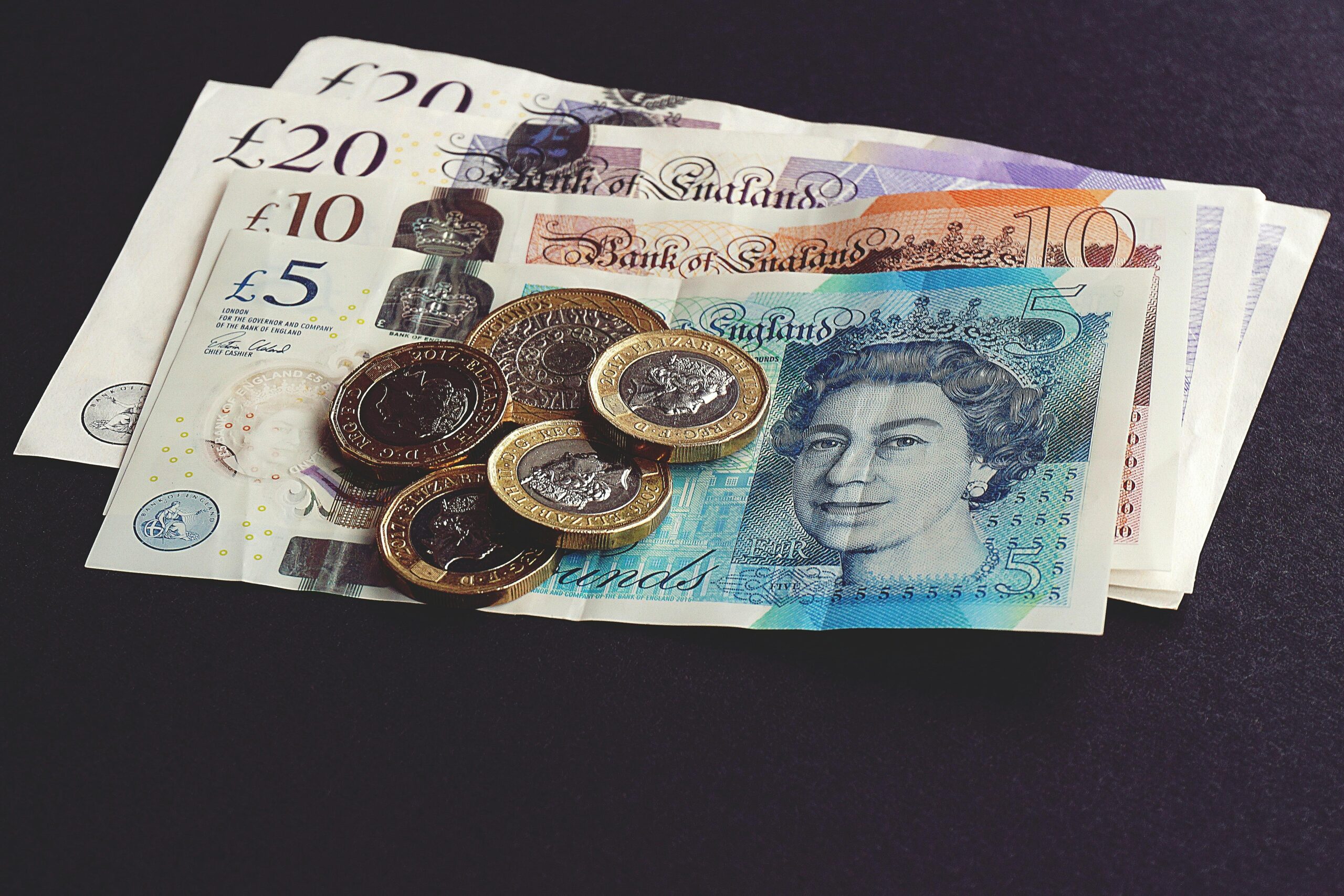
Let’s talk rail travel economics! You have probably been wondering: “Is it just me, or do train tickets keep getting more expensive?” Don’t assume that you are just imagining it. As recently as March 2024, rail fares in England and Wales increased by 4.9%, even outstripping the inflation rate.
This price rise has added to financial woes already often arising from rail travel. This is a shame when you consider many well-documented benefits of going by train rather than, say, car or plane. So, all in all, Why has rail travel become so costly anyway?
The problem has surprisingly deep roots, many of which can be traced back to the UK rail industry’s privatisation in the early 1990s.
That’s when the company British Rail — long responsible for operating most of Great Britain’s rail transport — was taken out of public ownership and broken up into multiple owners in a bid to drive up competition and, as a result, overall quality.
In practice, however, things haven’t gone entirely to plan — arguably because the private companies now collectively responsible for running and maintaining the UK rail system need to keep an eye on making a profit.
Mick Lynch, general secretary of the RMT trade union, has explained to the New Statesman: “Unlike trains in the rest of Europe, which tend to be publicly owned and have cheaper fares, most UK trains are privatised, which means that a profit has to be paid out, reducing the scope for fare cuts.”
There are still ways for you to cut the cost
In 1994, Railtrack — one privately owned organisation fashioned from ashes of British Rail — was handed responsibility for looking after British railway infrastructure. However, since then, Railtrack has been wound up, with most of its duties transferred to the state-controlled Network Rail.
You could be heartened to read this if privatisation’s adverse effect on train ticket prices has left you dispirited. Also, today, it’s possible to make Network Rail enquiries via the NationalRail.com website, which allows you to buy train tickets online and them access on your smartphone or collect them from ticket machines.
Using that very same website, you can quickly look up ticket options for rail journeys you hope to make across the UK. Among these options are ‘Off-Peak’ fares, available for times when usage of the train route in question tends to be in relatively low demand.
You can also take advantage of split ticketing, i.e. buy multiple tickets, each covering a specific section of the journey, rather than just one ticket covering the entire train trip. Odd though it may initially come across, this tactic can help you trim your rail travel costs. You can buy split tickets on our website!
Consider the value, not simply the cost
Yes, cost and value aren’t quite the same thing. In fact, there can be quite a chasm between the two. For a start, consider the fact that trains present you with one of the most eco-friendly modes of transport — even if you do have to factor in a range of variables.
Simply knowing that you are doing your bit for the planet by taking a train rather than a heavily carbon-emitting plane can, in your mind, more than justify the asking price of a ticket. Also, trains often snake through abundant natural landscapes the sight of which could take your breath away.
The psychological boost you get from admiring this scenery would further add to the overall package. It would also be easier for you to keep your cool when you know you don’t have to spend ages just searching for a car parking space once you have reached the destination town or city.
Book train tickets online and find the answers to your national rail enquiries today!


