
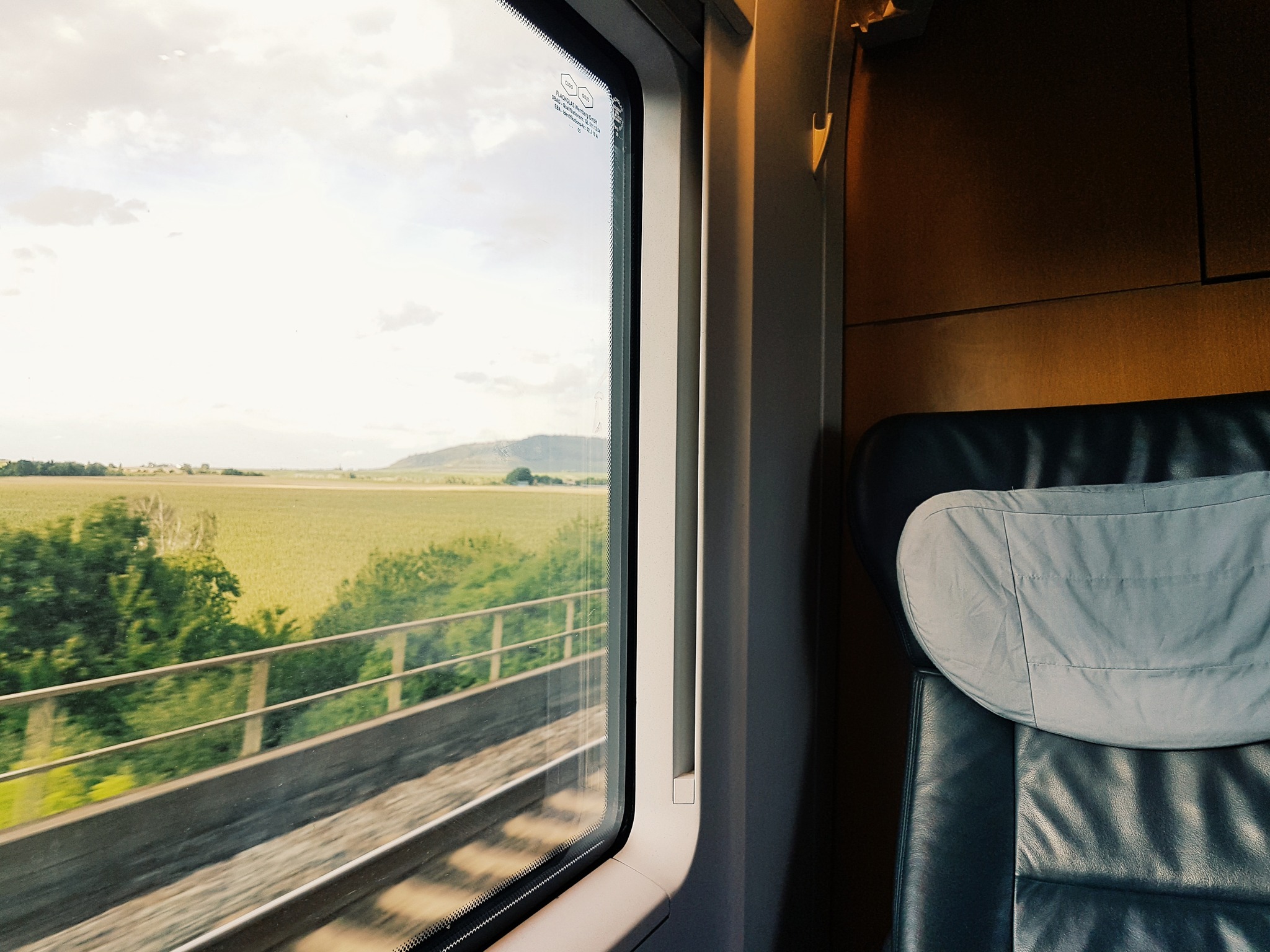
Programmes for railway vegetation management in the UK help keep trains safe, reliable, and moving across the network.
Trees, shrubs and weeds may look harmless beside the tracks. However, unmanaged growth can obstruct signals, damage equipment, and create hazards during severe weather.
Good vegetation management does not mean removing every plant near the railway. Teams assess each location and choose work that reflects its risks, assets, and natural habitats.
This planned approach supports safe journeys while protecting valuable lineside environments.
The Importance of Railway Vegetation Management Around The UK
Britain’s railway runs through towns, countryside, cuttings, embankments, and woodland. Network Rail manages around 20,000 miles of track, with millions of trees growing beside the railway. That scale makes regular inspection and targeted maintenance essential.
A damaged or unstable tree can fall across the line. Overgrown branches may also block signals, signs, or level crossing views. In electrified areas, vegetation can reach overhead line equipment and create further safety risks.
Rail teams therefore focus on areas where growth could affect train movements or important infrastructure. They may cut back smaller plants, carry out tree surgery, or remove dangerous trees. These decisions follow inspections and site-specific risk assessments.
How Vegetation Supports Rail Safety Maintenance Across The UK
Effective rail safety maintenance around the UK addresses several problems before they disrupt passengers.
Keeping Signals and Crossings Visible
Drivers need a clear view of signals, signs, and level crossings. Dense vegetation can reduce that visibility, especially during fast summer growth.
Maintenance teams clear key sightlines and safety zones. This work helps drivers respond correctly and supports safer movement around crossings.
Rail Safety and Standards Board (RSSB) research also identifies obstructions and reduced driver visibility as key lineside vegetation risks.
Reducing Fallen-Tree Risks
High winds, saturated ground, and tree disease can weaken lineside trees. A fallen branch may damage a train, block a route, or affect overhead wires.
Specialist teams inspect the condition of trees and identify potential hazards. Network Rail combines on-site checks with remote surveys and historical records. This information helps teams prioritise work before a tree becomes dangerous.
Managing Leaves on the Line
Autumn leaves can create a slippery layer on the railhead. Network Rail compares the effect to black ice on roads. Trains may need longer braking distances and extra care when accelerating.
Teams manage selected lineside trees throughout the year. They also target locations with high predicted leaf fall. Rail cleaning trains, adhesion forecasts, and track treatments provide additional support during autumn.
Railway Infrastructure Protection in the UK: Keeping Assets Accessible
Railway infrastructure protection across the UK involves more than keeping branches away from trains. Engineers need safe access to inspect tracks, drainage, bridges, embankments, and other structures.
Thick vegetation can hide defects or prevent teams from reaching an asset. Roots and invasive plants may also affect drainage or damage certain structures. Planned clearance gives engineers a clearer view and creates safer working space.
Vegetation management can also support larger improvement projects. For example, teams may clear selected areas before repairs or overhead line electrification work. Network Rail confirms that vegetation control helps staff examine and repair earthworks and structures.
Protecting Earthworks and Drainage
Cuttings and embankments need careful management. Some plants can help stabilise soil, while others may hide cracking, blocked drainage, or movement.
Teams must balance these factors before removing growth. Network Rail states that earthwork decisions consider both slope safety and wider environmental effects.
Regular access also helps engineers identify drainage problems earlier. This matters because blocked channels can allow water to collect around tracks and earthworks.
Balancing Railway Safety with Biodiversity
Railway corridors provide habitats for plants, insects, birds, and mammals. Responsible management must therefore consider safety and nature together.
Teams inspect protected areas, important trees, and local habitats before starting major work. They may retain suitable vegetation, create habitat piles, or plant more appropriate species away from operational equipment.
Network Rail also works with organisations including Natural England, NatureScot, and Natural Resources Wales. Other partners include the Forestry Commission, the Woodland Trust, and wildlife charities. Their guidance helps teams follow good environmental practice.
This approach creates a more resilient lineside. It can help reduce operational risks without treating every tree or shrub as a problem.
Careful planning also considers nearby communities. Local teams can provide information before work starts, particularly when projects involve machinery, tree removal, or overnight access.
What Vegetation Work Can Mean for Passengers
Most maintenance takes place with careful planning. However, some jobs require temporary speed restrictions, line closures, or engineering access.
Severe weather can also create short-notice problems. Strong winds may bring branches down before teams can complete planned work. Passengers should therefore check their journey after storms or periods of heavy rain.
A few simple steps can help make travel easier:
- Check journey details before leaving home.
- Review live departure information close to travel.
- Allow extra time during autumn or after severe weather.
- Recheck connections when disruption affects part of a route.
- Compare ticket options again when your plans change.
The Nationalrail.com Journey Planner helps passengers review routes, times, and available fares. Journey options can also help travellers find direct services or allow more time between connections.
Our guide to how weather affects UK railways also explains how storms, heat, and heavy rain can affect services. It includes practical steps for checking your journey before travelling.
Reporting Dangerous Trees Near the Railway
Anyone who sees a fallen tree on railway land should never approach the track. The same advice applies when a tree appears likely to fall.
Keep a safe distance and report the concern directly. Network Rail provides a 24-hour emergency helpline on 03457 11 41 41 for urgent railway safety issues.
Property owners should also seek professional advice before cutting trees beside the railway. Tree work near tracks or overhead wires requires careful planning and coordination.
Conclusion
Railway vegetation management around the UK plays a vital role across the network. It keeps signals visible, reduces fallen-tree risks, and supports reliable access to important assets.
Careful planning also helps protect habitats beside the railway. By combining inspections, targeted maintenance, and environmental expertise, rail teams can manage risk without unnecessary clearance.
Passengers may rarely see this work in progress. Even so, it helps create safer and more dependable journeys throughout the year. Before travelling, check your route, compare available fares, and review the latest information through Nationalrail.com.


