
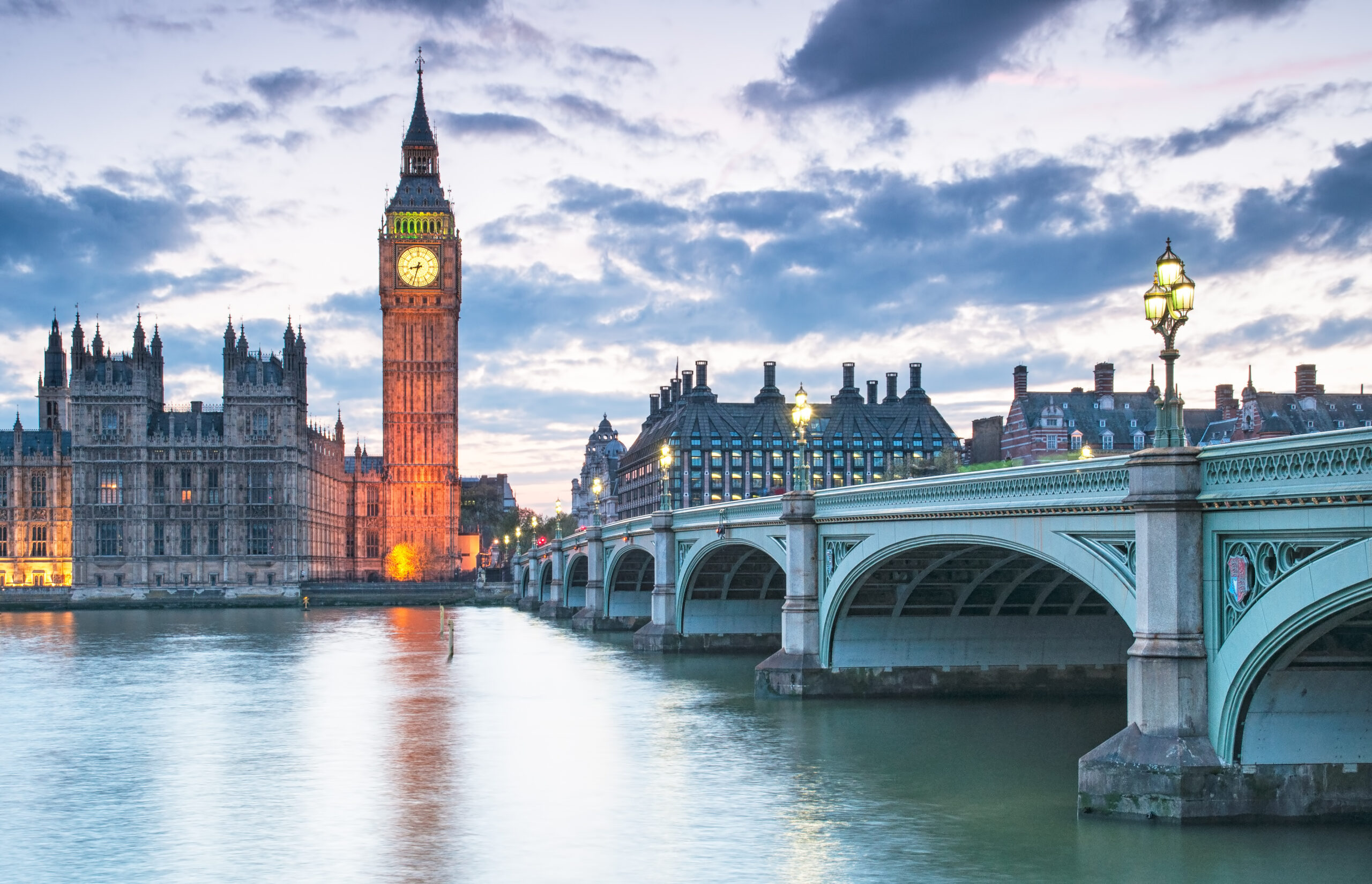
With its unparalleled combination of iconic landmarks, world-class museums and galleries, West End theatre shows, live music, and a vibrant culinary scene, London certainly ticks many boxes as a place to visit by train.
But what about when you’re trying to get around the UK capital? Well, once again, the train can take the strain.
London boasts an extensive and fast-moving public rail network, encompassing such services as the Tube (the Underground) and the Overground, which helps make the train a convenient and cost-effective way of getting around the city.
Not only this, but trains also provide access to scenic journeys and beautiful cities for day trips outside of the capital.
The Rail Map of London: The Basics You Need to Know
London’s rail network has many great features, but it isn’t a single system. It’s a complex web that includes the Underground, Overground, Elizabeth Line, Thameslink, and National Rail services.
With such a large network, it’s no wonder residents and visitors often feel confused.
This article aims to make things clearer by explaining the key differences between the Tube and other trains in London.
The Tube: London’s Underground Lifeline
The London Underground, or “the Tube,” began in 1863 with the opening of the Metropolitan Railway, the world’s first underground passenger line. Since then, it has become a true cultural icon.
Today, the Tube runs 11 lines across 402 kilometres, serving 272 stations. It forms the backbone of London’s public transport network.
The Underground mainly serves Greater London, linking central areas like Westminster and Oxford Circus with suburbs such as Upminster and Ealing.
Trains run fast and frequently, every two to five minutes during peak hours. Services operate from around 5am to midnight, with Night Tube trains available on some lines on Friday and Saturday nights.
Overground Trains: Beyond The Tube
Comprising a significant chunk of the overall rail map of London, are overground services such as National Rail services, the London Overground, Thameslink, and the Elizabeth Line.
While the Tube has a tighter urban focus, the capital’s overground trains cater to Greater London, its suburbs, and destinations across the UK.
They include the likes of:
- The London Overground, which covers 100 miles of railway and 113 stations. This network has a more suburban emphasis, connecting central London to outer boroughs such as Hackney and Croydon. As its name suggests, it is largely overground.
- The Elizabeth Line, which was officially opened by the late Queen Elizabeth II herself in May 2022. This high-speed line is effectively a hybrid of Tube and train. It stretches from Reading and Heathrow in the west to Shenfield and Abbey Wood in the east.
- Thameslink, which runs north-south through the capital, linking such places as Bedford and Brighton via St Pancras and London Bridge.
- National Rail services encompass a vast network of intercity and commuter trains, connecting London to the broader UK.
- The Docklands Light Railway (DLR) uses driverless trains to serve East and South London, particularly Greenwich and Canary Wharf.
Overground services in the capital don’t generally run as frequently as the Tube – about every 10 to 30 minutes is typical – and they usually have fewer stops. However, they also tend to be faster for longer distances than is the case with the Underground.
So… Should You Use the Tube or Other Trains in London?
As you might expect, there is no single answer to this question for all trips in and around the UK capital. But here are some broad pointers:
- Generally, for short trips to various parts of central London, or in circumstances where frequency of service matters, heading towards the nearest Underground station is likely to make most sense.
- If, on the other hand, you need a faster means of cross-London travel or you’re trying to find your way to certain suburbs, an Overground or Elizabeth Line journey might be best.
- For long-distance travel to destinations outside London, such as Oxford or Brighton, look up relevant National Rail services.
It’s A Good Idea to Become Well-Versed with London’s Rail Map
The full rail map of London offers something for practically every kind of train trip that someone may need to take during their time in the capital.
So, whether you are a visitor exploring Borough Market or a commuter dashing to Canary Wharf, it can be well worth familiarising yourself with the vagaries and quirks of the capital’s rail network.
Why not, then, start that familiarisation with a little help from Nationalrail.com? Find a cheap train ticket to London and plan your journey today.


